
By Rocheford T. Gardiner
I am not a keen fan of the European pagan holiday (adopted into Christianity), but it is no secret that Christmas in Liberia, as in many other countries, represents the climax of the year. This is the season when families reunite, people move into new homes (whether built or rented), household goods are purchased, gifts are exchanged, weddings are held, and the list of festive activities goes on.


Before the Liberian civil war, grade schools and other institutions of learning traditionally closed for the academic year around December 5th, remaining shut until the end of February. This “long vacation” meant that for the entire festive season, children were out of school. Consequently, parents enjoyed a significantly reduced burden—no need for daily transportation, school lunches, or extra lesson fees. For both parents and children, this truly translated into a real “vacation.”
Today, however, the trend has shifted. School administrators, public authorities, and even non-essential agencies tend to keep their institutions operational until as late as the 22nd of December.

Several questions must be asked: To what end? Why should learning institutions remain open until the very last minute? What goal or achievement are they trying to prove?
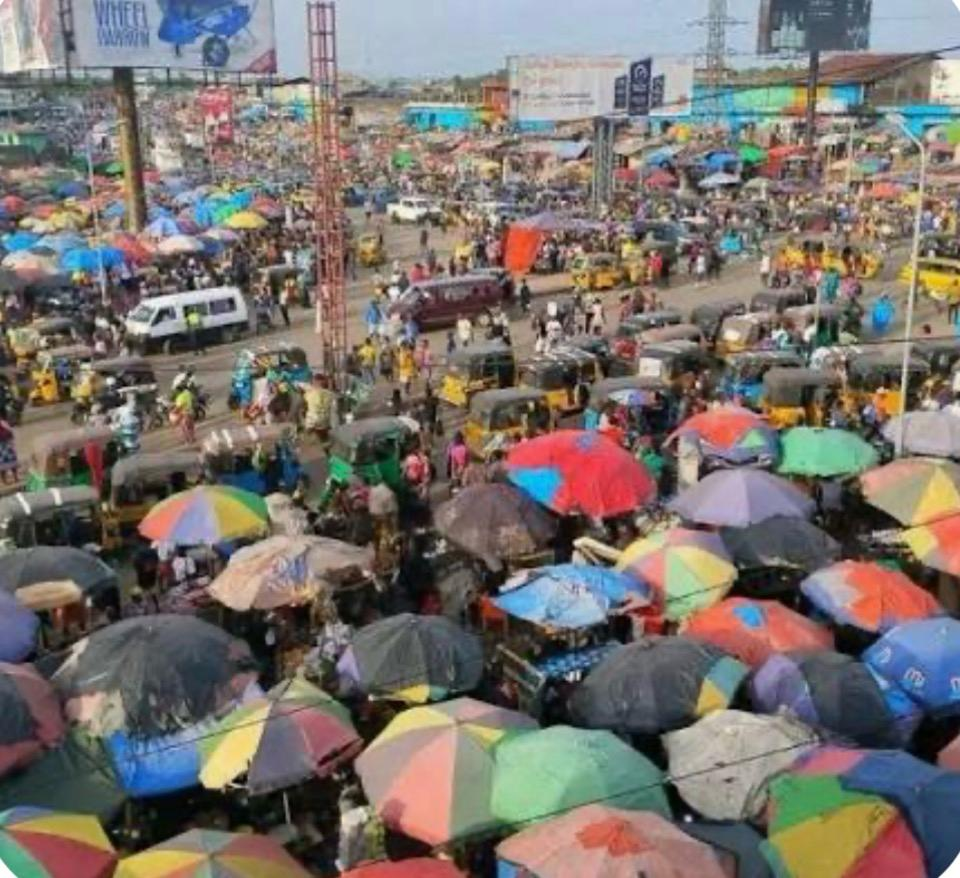
Even the President of the Republic understands the immense stress people—especially parents—endure during this globally adopted holiday. At this time of year, in addition to the normal daily stress of putting food on the table, parents bear the additional financial burden of continuing to provide transportation and recess money for their children, securing second-semester tuition and other fees, and purchasing the traditional “Christmas clothes” for the kids and other relatives of the usual “African extended families.” Kids too are forced to keep commuting to school in heavy and crazy traffic jams in the Monrovia area.
The government of Liberia must seriously reconsider its Christmas schedule and effectively mandate this change across line ministries—especially the Ministry of Education and the administrators of all learning institutions.
Closing schools at the eleventh hour forces families through unnecessary stress. A core responsibility of the government should be to explore ways to ensure its people are as relaxed and unburdened as possible during major national holidays. This current situation demands a serious and immediate consideration.