
By Rocheford T. Gardiner
HARPER, LIBERIA – “Since late 2014, Maryland County boasted the most stable, reliable, and efficient power supply in Liberia. We don’t know how we got to this point,” lamented one frustrated resident, echoing the growing resentment over the region’s deteriorating electricity grid.
For months, Maryland and River Gee counties have struggled to maintain consistent power from the Ivoirian CIE, as part of ECOWAS’ WAPP Project. Residents can no longer recall the last time they enjoyed 24 hours of uninterrupted service. Instead, the region is plagued by multiple daily outages, with some blackouts lasting an entire day.

Official Response Amid Rising Tensions
The worsening crisis has forced the hand of Superintendent Henry Cole, who has faced sharp public criticism for his perceived silence on the matter. During a recent appearance on local radio, Cole announced an emergency mission to Monrovia to engage with the Liberia Electricity Corporation (LEC) and the Liberia Energy Regulatory Commission (LERC).

The Superintendent appealed for calm, urging citizens to abandon plans for mass protests. Intelligence reports suggest that frustrated residents are organizing demonstrations to voice their grievances.
“I understand the frustration,” Cole stated. “Most customers are metered and pay their bills, yet they are not receiving the value of their money.”
Technical Failures and Inherited Problems
Joining the Superintendent on air, LIBENERGY Manager Engr. Henry Hodge offered an apology to consumers while detailing the technical hurdles facing the utility provider. Hodge attributed the frequent outages to “legacy issues” inherited from the previous grid expansion.
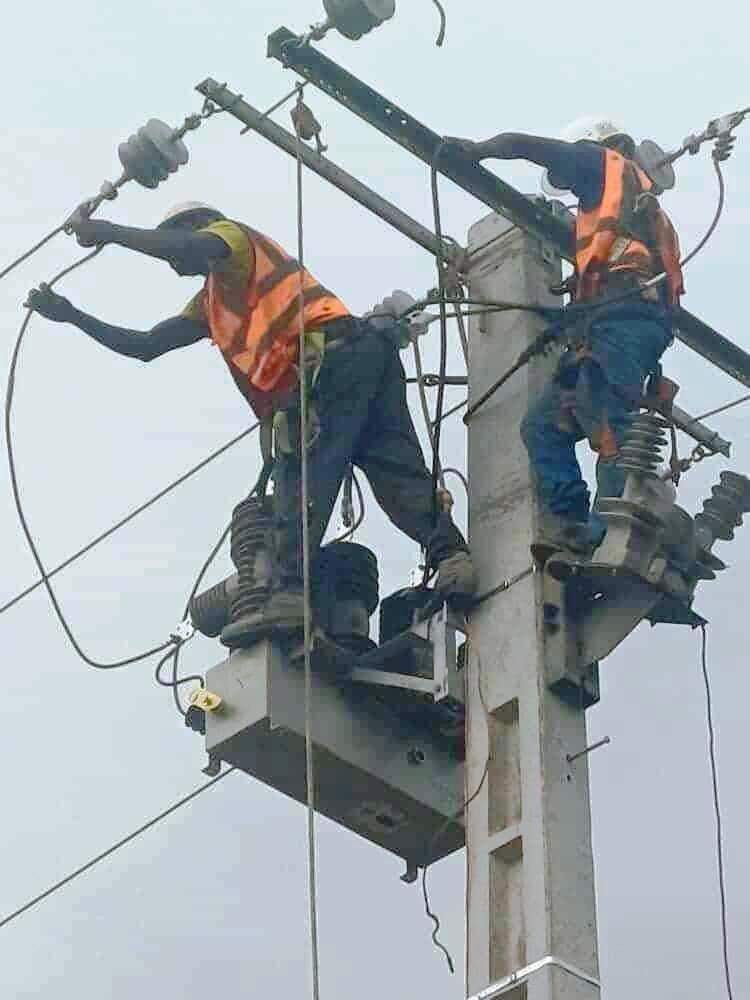
According to Hodge, the instability is rooted in the poor quality of hardware installed during the extension of the grid to River Gee and Pleebo—the region’s commercial hub—by the contractor Alpha T&D.
Key technical failures identified include:
- Substandard Insulators: Failing to prevent current leakage.
- Faulty Lightning Arrestors: Leaving the grid vulnerable to surges.
- Degraded Gang-Switches and Cutoff Fuses: Causing frequent mechanical failures during distribution.
Hodge confirmed that these issues were reported to the LEC following an assessment by their engineers. However, he noted that the LEC has yet to provide the necessary replacement materials required to stabilize the distribution network.
As the region awaits a resolution from the national authorities in Monrovia, the sporadic supply continues and the public’s patience—continues to be tested.