
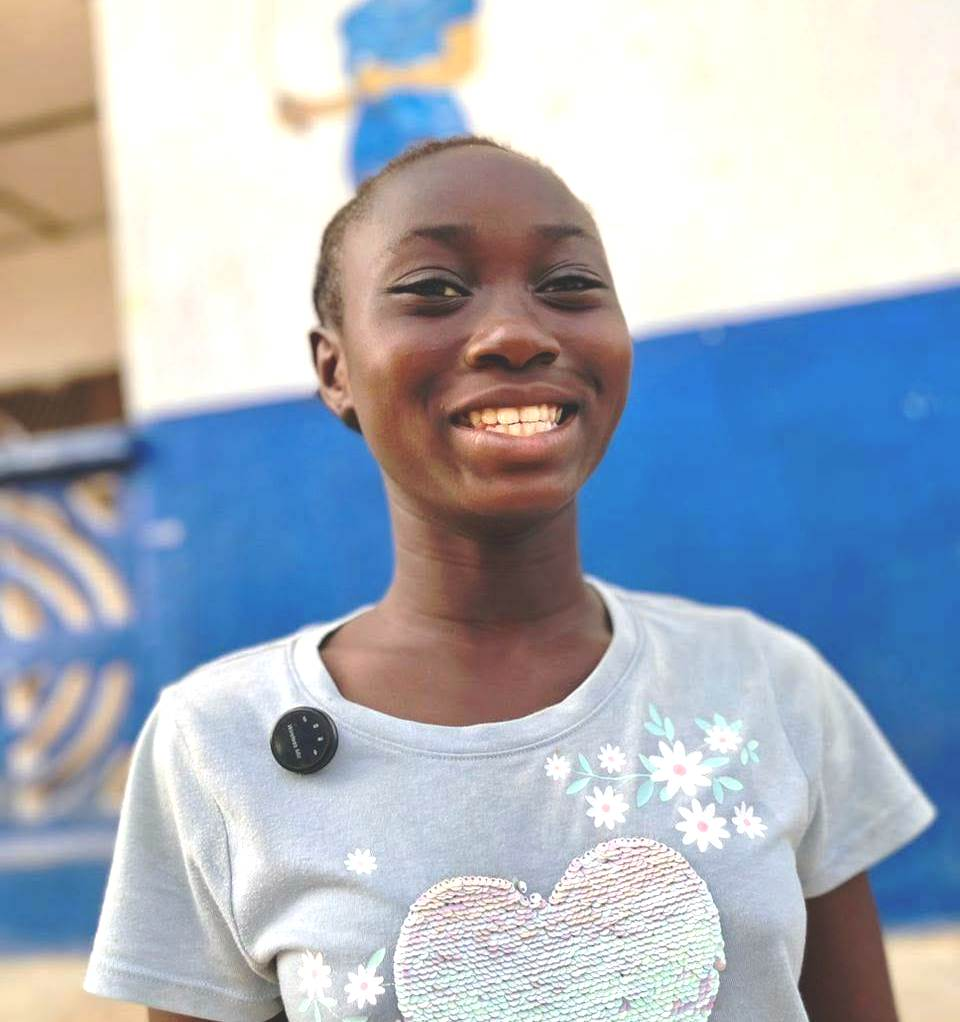
By Victor Quitee
HARPER CITY, Maryland County – Several students participating in the Kids Tutorial Program have reported significant academic improvements, crediting the initiative with bolstering their performance in key subjects.
In interviews conducted today, students from both the “old” and “new” cohorts of the program revealed that they lacked formal study assistance or private tutors prior to enrolling in the initiative, which is sponsored by the Grace Puate & Bor Willie Tubman Foundation.
Measurable Progress in Core Subjects

For many participants, the program has turned previous academic weaknesses into strengths. Romeo Y. Dennis, a fifth-grade student who has been with the program for two years, noted a marked difference in his report card. Introduced to the program by his school principal, Dennis highlighted substantial progress in Mathematics—a subject he previously found difficult.
Similarly, sixth-grader Rebecca S. Siafa, a new recruit to the program, admitted to past struggles with Math. Since her father enrolled her, she reported steady improvement and has become a vocal advocate for the initiative. “I will serve as an ambassador for the program,” Siafa said, encouraging her peers to join.

Building Foundational Skills
The program’s impact extends beyond mathematics. Roosevelt Diyao, a fourth-grade student, praised his tutors for helping him master Spelling. Having once found the subject challenging, Diyao now pledges to recruit his friends to the sessions.
While the majority of the interviewed students attend the St. James Ascension Consolidated School System, the program’s reach is expanding. Nico Shannoh, a fourth-grader at the African Dream Academy in Chocolate Hill, expressed her gratitude to the Foundation. Like her peers, Shannoh noted that her father encouraged her to join, and she has already seen a positive shift in her mathematical abilities.
A Commitment to Learning Outcomes
The Grace Puate & Bor Willie Tubman Foundation maintains that the Kids Tutorial Program is designed to bridge educational gaps by providing structured academic assistance. By offering a dedicated space for learning outside of traditional school hours, the Foundation aims to continue improving long-term learning outcomes for youth in the region.