
From our International Desk

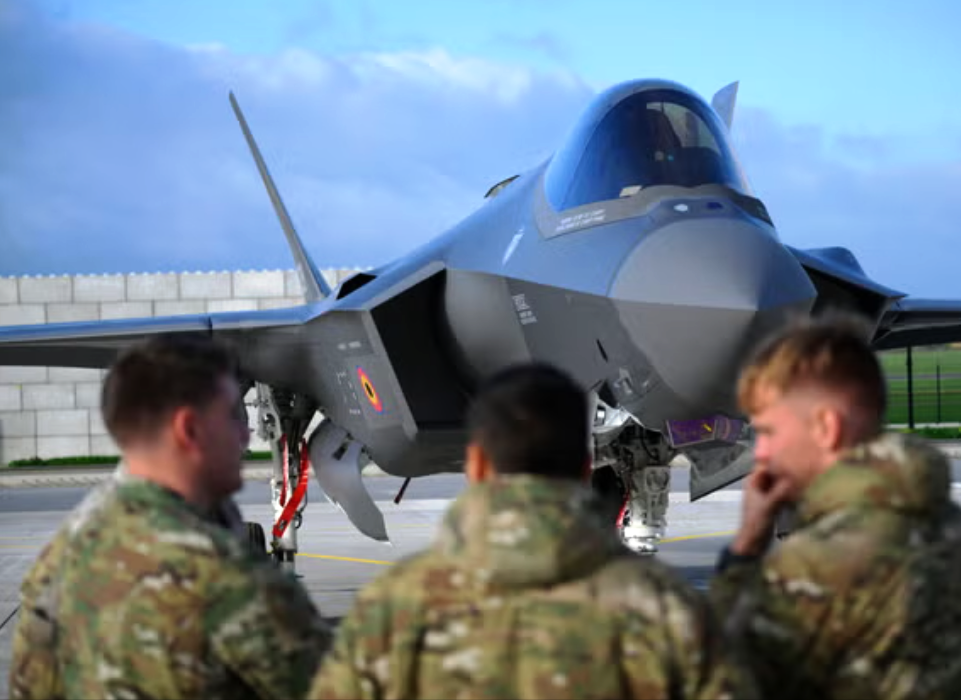
OTTAWA – The longstanding defense partnership between the United States and Canada faces a potential transformation as Washington warns it may be forced to patrol Canadian skies directly if Ottawa scales back its commitment to the F-35 Lightning II program.
U.S. Ambassador Pete Hoekstra indicated that a departure from the agreed purchase of 88 Lockheed Martin jets would create “security gaps” that the U.S. would feel obligated to fill. This shift could necessitate a fundamental restructuring of the North American Aerospace Defense Command (NORAD) agreement, a cornerstone of continental defense since the Cold War.
Sovereignty at Stake: The “Gap” Strategy
Under the existing NORAD framework, both nations cooperate to monitor and intercept threats within shared airspace. However, Hoekstra suggested that if Canada fails to modernize its fleet with the F-35, the U.S. would likely increase its own procurement of the advanced stealth fighters to conduct more frequent operations within Canadian territory.
This “interventionist” approach would mark a significant departure from current protocols, effectively moving from a partnership of equals toward a scenario where the U.S. assumes primary responsibility for Canadian air sovereignty.
Rising Costs and Political Friction
The tension stems from a 2022 agreement for Canada to acquire 88 F-35A jets. While the initial commitment covered 16 aircraft, the program has been plagued by delays and ballooning budgets:
- Original Estimate: $19 billion
- 2025 Audit Findings: $27.7 billion
- Production Status: Slower-than-anticipated manufacturing cycles.
Compounding these fiscal concerns are broader diplomatic strains. With the U.S. administration wielding tariff threats as leverage, Canadian Prime Minister Mark Carney has ordered a formal review of the deal to determine if the F-35 remains a viable path for the nation.
The Swedish Alternative: Security vs. Jobs
As a result of the F-35’s rising price tag, Canadian officials are exploring alternatives, most notably the Saab JAS 39 Gripen E. The Swedish aerospace firm has presented a compelling counter-offer that emphasizes domestic economic growth:
- Local Manufacturing: Saab has proposed building the jets within Canada.
- Job Creation: The deal promises to generate approximately 12,600 domestic jobs.
- Sovereignty: Foreign Affairs Minister Mélanie Joly noted that the government is prioritizing projects that balance national security with job creation across the country.
Comparative Analysis: F-35 vs. Gripen E
| Feature | Lockheed Martin F-35 (USA) | Saab Gripen E (Sweden) |
| Current Status | Existing 88-jet agreement | Under active review/consideration |
| Estimated Cost | $27.7 Billion (Rising) | Competitively priced / Fixed production |
| Domestic Impact | Imported technology | Proposal for 12,600 Canadian jobs |
| U.S. Stance | Mandated for NORAD synergy | Viewed as a “security gap” trigger |
As Canada weighs its options, the decision has evolved beyond mere military procurement into a high-stakes test of North American diplomacy and national autonomy.