
from our International Desk
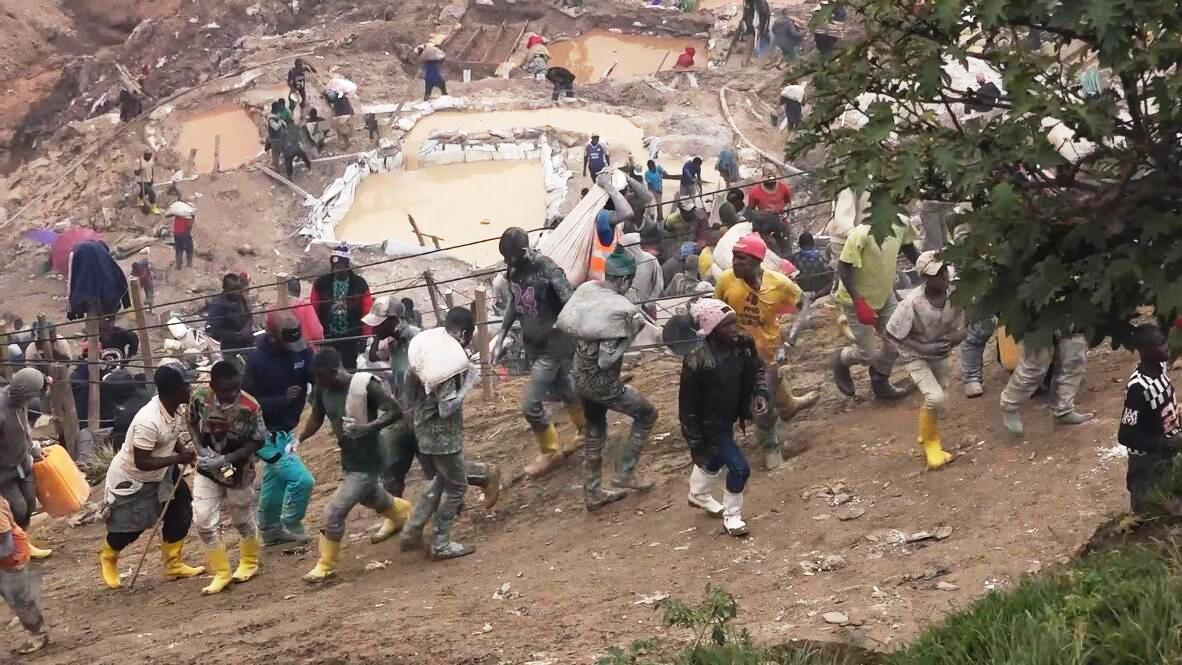
RUBAYA, DEMOCRATIC REPUBLIC OF CONGO – A devastating landslide at a coltan mine in Rubaya, North Kivu province, has claimed the lives of an estimated 200 to 227 people, including women and children. The catastrophic collapse, which occurred on Wednesday, January 28, 2026, has once again cast a harsh spotlight on the human cost of the DRC’s mineral wealth and the enduring conflict that plagues its eastern regions.

The artisanal mine, a crucial global source of coltan—a vital component in modern electronics—was engulfed after heavy seasonal rains triggered a massive landslide. Miners, working in precarious, hand-dug tunnels, stood little chance against the deluge of mud and rock. Eyewitnesses and former miners have long warned of the perilous conditions, with hundreds often crammed into unstable pits, devoid of safety protocols.
Coltan: A Blessing and a Curse
The Rubaya mines are estimated to supply approximately 15% of the world’s tantalum, extracted from coltan. This insatiable global demand for tech minerals, however, has become both a blessing and a curse for the DRC. The vast mineral reserves, rather than fostering prosperity, have fueled a brutal and protracted conflict, turning the eastern provinces into a battleground for numerous armed groups vying for control of the lucrative sites.
M23 Control and Rwandan Accusations
Since 2024, the Rubaya mines have fallen under the control of the M23 (March 23 Movement) rebel group. This has significant implications for the tragedy and the broader conflict. The United Nations has repeatedly accused the M23 of financing its insurgency through the exploitation of these mineral resources. The group’s presence in Rubaya not only complicates rescue efforts but also underscores the precarious governance in regions rich in strategic minerals.
Furthermore, the M23’s resurgence and military strength are widely attributed to substantial backing from neighboring Rwanda. Despite Kigali’s repeated denials, numerous reports from the UN, regional experts, and even the Congolese government have detailed Rwanda’s alleged provision of troops, weapons, and logistical support to the M23. This support is believed to be motivated by Rwanda’s strategic interests in the DRC’s mineral wealth and its historical security concerns along the border. The ongoing conflict, perpetuated by external interference, directly contributes to the instability that creates such dangerous working conditions in mines like Rubaya.
The Cycle of Violence and Exploitation
The disaster in Rubaya is a grim illustration of how the DRC’s conflict is intricately linked to the exploitation of its resources. The lack of effective state control in these areas allows armed groups to operate with impunity, coercing local populations into dangerous mining practices for meager wages. The proceeds from these “conflict minerals” then fund further violence, creating a devastating cycle that traps communities in poverty and perpetual insecurity. The presence of these armed groups also deters legitimate investment and the implementation of robust safety standards, making disasters like the Rubaya collapse tragically inevitable.
Rescue operations remain challenging due to the remote location, the sheer volume of mud, and the volatile security situation. The rebel-appointed authorities have reportedly ordered a temporary halt to mining activities and the relocation of residents, a tacit acknowledgment of the inherent dangers of the site, particularly during the ongoing rainy season.
As the international community mourns the lives lost, renewed calls are emerging for greater accountability regarding the sourcing of minerals and for a concerted effort to address the root causes of the conflict in eastern DRC. Without a lasting peace and legitimate governance, the tragic scenes witnessed in Rubaya are likely to be repeated, with the price of our modern technology continuing to be paid in Congolese blood and suffering