
by bobby Addison
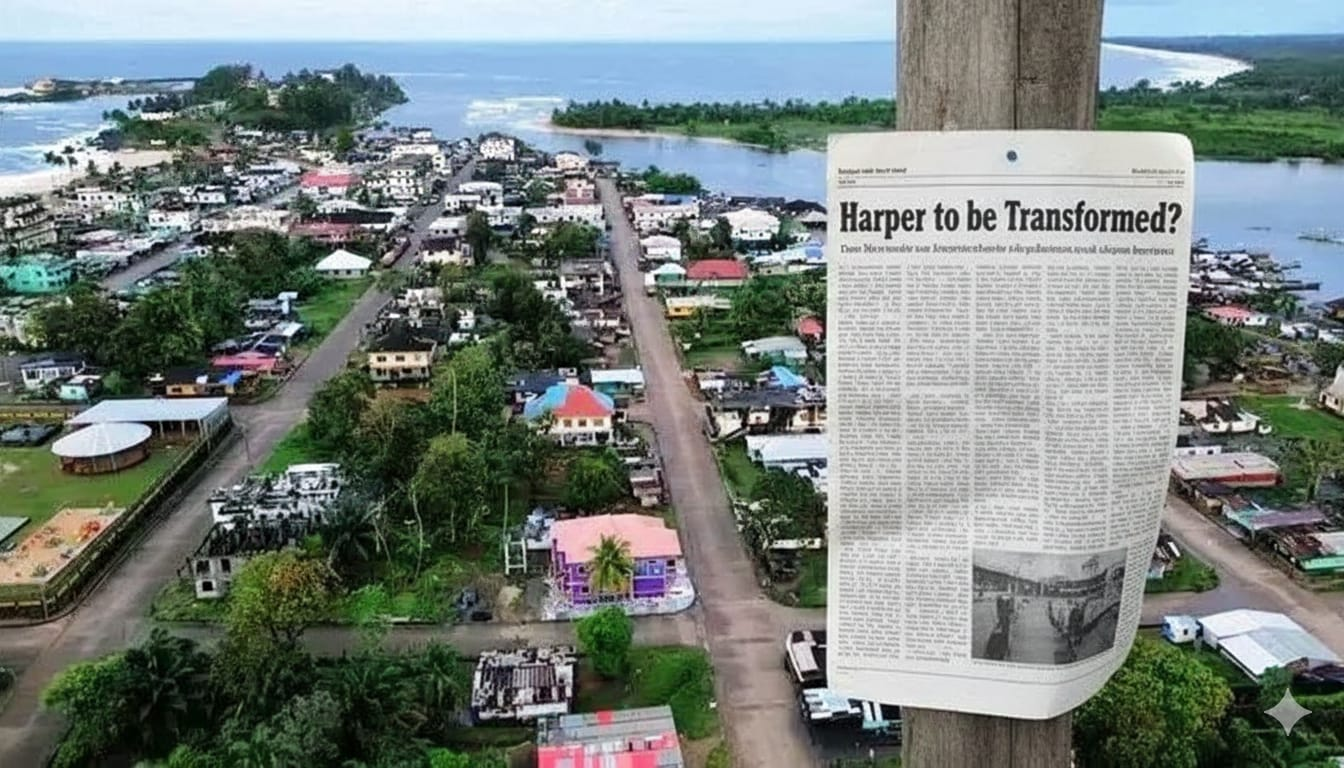
HARPER CITY, MARYLAND COUNTY – The Ministry of Public Works, in collaboration with local lawmakers, has announced an ambitious infrastructure expansion for the 2026 fiscal year. The plan focuses on paving major streets in Harper City and completing the long-awaited regional corridor to the southeast.
The 2026 Infrastructure Budget

Senator James P. Biney has confirmed that the Community Gravel Roads Rehabilitation Project and several major paving initiatives are officially captured in the 2026 national budget. This marks a significant shift from the project’s inception in 2025, moving from gravel maintenance to high-standard bitumen (pavement) upgrades.
Key targets for the 2026 rollout include:
- Urban Paving: Major streets within Harper City are slated for full paving to replace deteriorating surfaces.
- Institutional Access: Priority routes surrounding Tubman University and other essential service centers are earmarked for immediate upgrades to improve student and staff mobility.
- Upgrading the Harper – Fish Town road (Harper District), which links the Rock Town Airport and the tourist-rich beaches at Harper Fish Town
Connecting the Southeast: The Fish Town-Harper Corridor
A centerpiece of the Ministry’s regional strategy is the 92-kilometer road connecting River Gee to Harper. This project includes the critical Fish Town-to-Harper stretch, which engineers have already surveyed and designed for bitumen standards.
Once completed, this paved corridor is expected to:
- Reduce Travel Time: Drastically cutting the hours required to move between Maryland and River Gee.
- Boost Commerce: Facilitating the easier transport of goods and agricultural products to local markets.
- End Regional Isolation: Breaking the “historic isolation” of the southeast by ensuring reliable, year-round access to healthcare and education.
Technical Readiness
The Ministry of Public Works has deployed specialized engineering teams to finalize designs for these stretches. By upgrading these roads to bitumen standards, the government aims to move away from the cycle of seasonal gravel repairs, providing a permanent solution to the region’s transport woes.
“These projects are part of a broader effort to upgrade national infrastructure and promote sustainable economic growth in the southeast,” the Ministry stated.