
by George Nubo

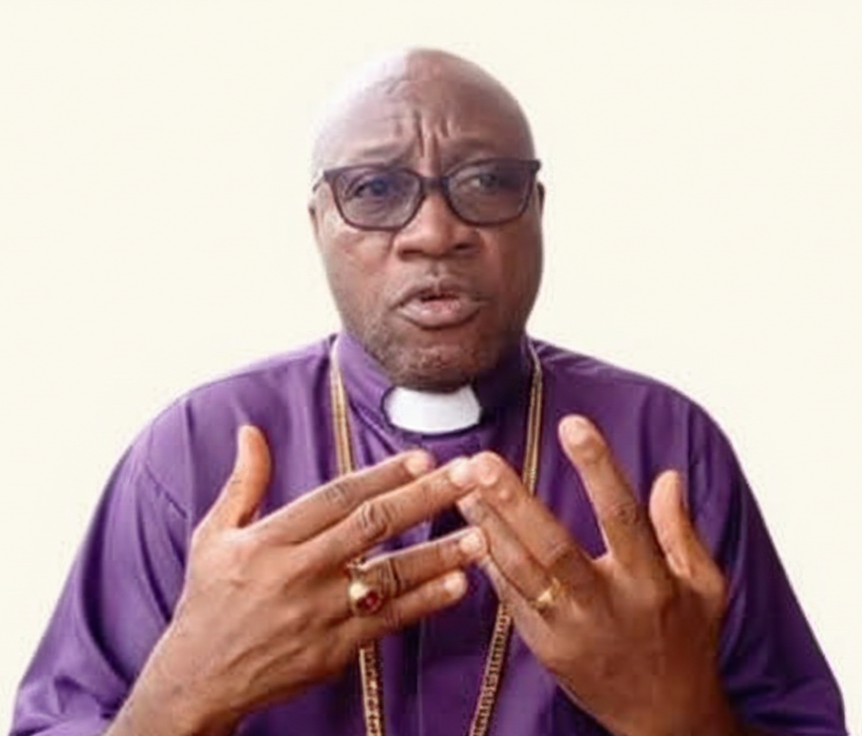
Sometimes silence feels easier, safer even, than truth. But Bishop James B. Sellee, who heads the Episcopal Church in Liberia, decided not to stay quiet, and that’s something worth pausing on. He spoke about what many Liberians whisper about but rarely say out loud: the wild, almost chaotic spread of churches that seem to pop up on every corner, sometimes without guidance or purpose, sometimes just for show. When Bishop Sellee spoke in Maryland County, his words weren’t an attack on faith, not at all, and they weren’t a dismissal of the gospel either.
They were more like a mirror held up to us, showing what the church is supposed to be: a moral compass, a servant to the people, a builder of lives. Not a storefront business, not a family inheritance. He said something that stuck with me: that the church exists for the interest of outsiders. That phrase cuts deep because it forces us to ask if we’re really helping people or just building more buildings with louder microphones. He pointed out that there’s no real monitoring of leadership, doctrine, or even finances, and that’s a problem that’s been sitting there too long. In a country where poverty and joblessness keep pressing on people, the church holds a kind of power that can heal or harm. And power without accountability, well, it starts to rot from the inside. Still, Bishop Sellee was careful; he said this isn’t about stopping anyone’s freedom to worship, it’s about keeping things honest. That’s a big difference, though some might miss it.
Faith grows best where there’s integrity, where people can trust what they see. Liberia isn’t the only one facing this. Rwanda, for instance, went as far as closing more than six thousand churches and mosques that didn’t meet safety or training standards. That may sound harsh, but it shows that faith and order can walk together. Regulation doesn’t kill belief; it actually protects it like a fence around a garden, so the plants can grow right. Now, the Liberia Council of Churches is discussing setting rules for how churches should be established and operate. That’s good news, or at least it could be if done wisely. Rules made with the pastors, not just for them, could help stop the misuse of religion and bring back some trust. We should honestly thank Bishop Sellee.
His courage and calm voice remind us that faith isn’t about numbers or noise but about service, truth, and care. Liberia needs more leaders like that, willing to speak when silence feels easier, willing to love both God and country enough to tell the hard truth.