
by Rocheford T. GArdiner

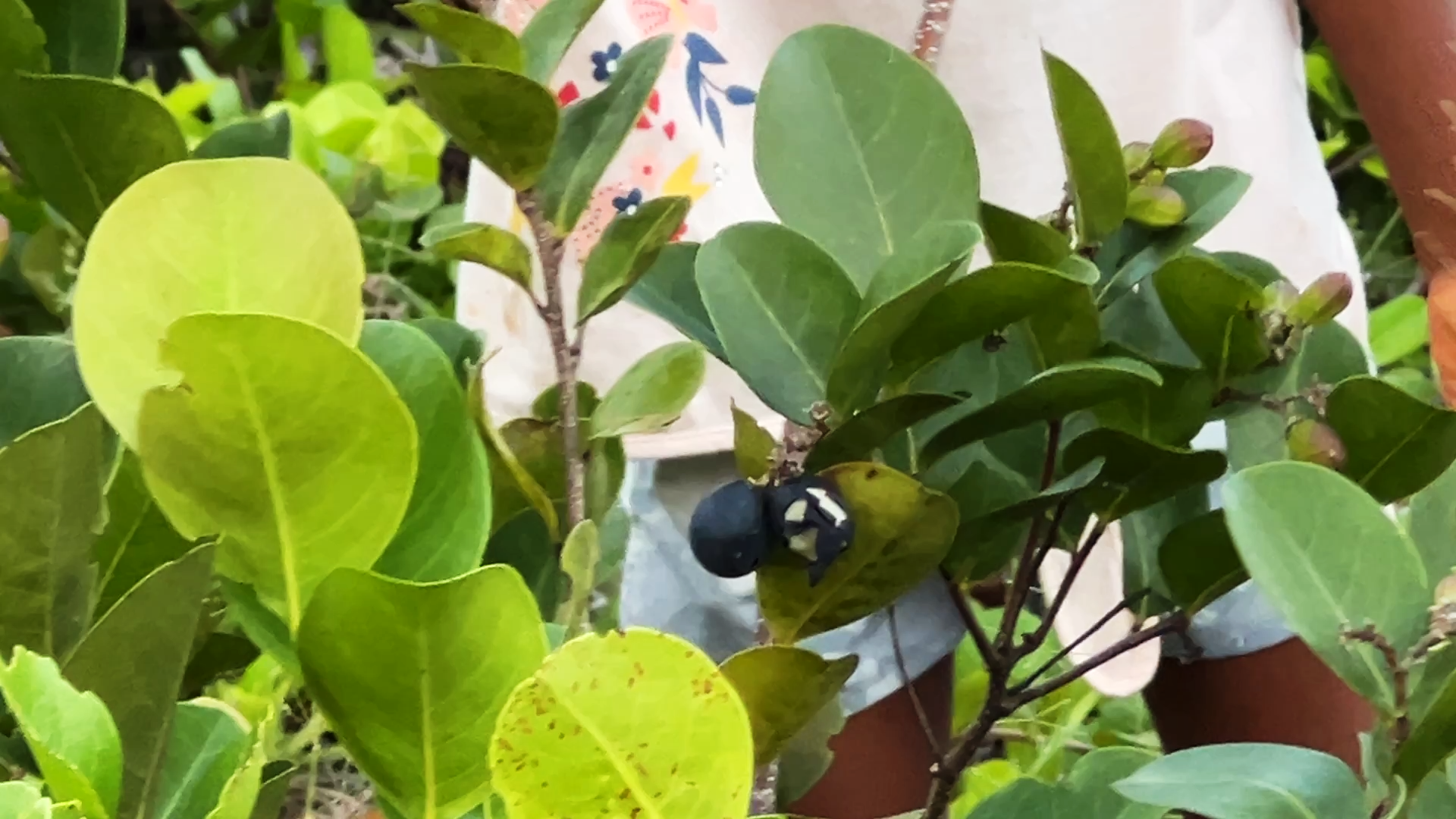
I was surprised and delighted to discover a variety of native berries—black, blue, and red—flourishing at the extreme end of the community behind the A. Glen Tubman Airfield in Harper. This unique area, now known as the Lamarck Cox Community along the left bank of Lake Shepherd, holds a rare botanical treasure.
Today, such diverse berries are uncommon in Africa, and Maryland County may be the only place in Liberia where one can find all these colors growing together.

The Threat to the Ecosystem
The survival of these precious plants is severely threatened by a dangerous, recurrent practice: the habitual burning of the savanna during the dry season. This destructive habit is common among residents occupying the new communities along the banks of Lake Shepherd.
This story of loss is also true for the lake’s right bank, which is effectively an isthmus—a feature believed to be unique in Liberia and perhaps all of West Africa. This burning is eradicating native flora, including the so-called “yancyweed” trees (whose botanical name is unknown to me), and is devastating the local ecosystem.

Call to Action: Preserve Our Natural Heritage
This habitual burning must stop so that we can actively preserve and replenish this vital ecosystem.
These berry trees and the associated “yancyweed” are not isolated; they form the foundation of a complete and dependent natural system. Numerous other life forms—including monkeys, minks, rodents, and snakes—rely on these plants, directly or indirectly, for survival.

I urge the incumbent Superintendent of Maryland County, Henry Cole, the Harper District Representative, P. Mike Jurry, and all members of the Legislative Caucus to please join this cause.
Let’s unite to stop the burning of the savanna and save the rare, endangered berry trees of Cape Palmas.