
by Rocheford T. Gardiner
The Middle East stands on the precipice of a total regional conflagration today as Iran’s Foreign Ministry officially shuttered the door on diplomacy, promising “severe punishment” for the United States and Israel following a week of devastating escalations. The defiant stance comes as the global energy market reels from a near-total blockade of the Strait of Hormuz and a shocking intelligence reversal from Saudi Arabia regarding the destruction of its oil infrastructure.
Iran Rejects Diplomacy, Vows “Punishment”
Iranian Foreign Minister Abbas Araghchi announced Thursday that Tehran has no interest in further negotiations with the “American aggressors,” effectively ending hopes for a diplomatic off-ramp.
The statement follows a series of joint US-Israeli airstrikes that reportedly killed several high-ranking Iranian officials and struck the Natanz nuclear facility. Araghchi characterized any talk of a ceasefire as a “trap,” stating:
“We are no longer at the table of words. We are now in the field of action. America and its Zionist proxy will be punished for their miscalculations in ways they have yet to imagine.”

The “Financial Blockade” of the Strait of Hormuz
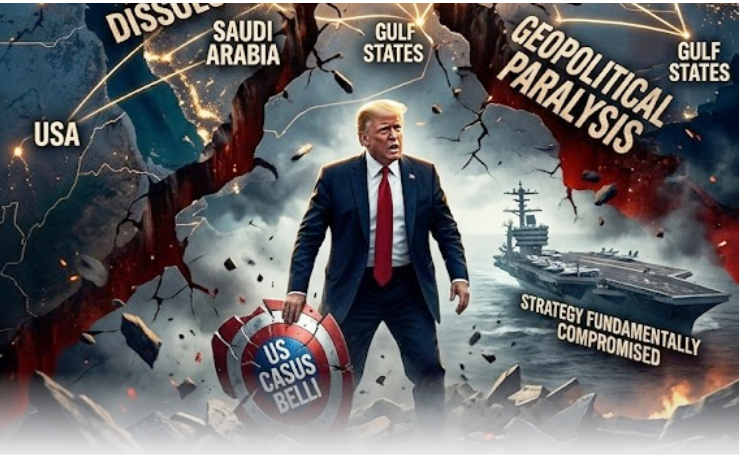
Despite a high-profile promise from President Trump to provide US Navy escorts for commercial tankers, the Strait of Hormuz remains effectively paralyzed. While the US military has offered to “set the sea ablaze” to keep lanes open, the reality on the water is one of a “financial blockade.”
- Shipping Standstill: Marine traffic has plummeted by over 70% as insurance providers hike “war risk” premiums to unsustainable levels or cancel coverage entirely.
- The Escort Dilemma: Industry experts warn that US escorts would turn commercial tankers into high-value targets for the IRGC’s “super weapons engagement zone,” which utilizes kamikaze boats and advanced naval mines.
Energy Chaos: US Lifts Sanctions on Russia
In a desperate move to stabilize spiraling energy costs, the US Treasury Department has taken the extraordinary step of lifting sanctions on Russian oil interests. The waiver specifically targets the German subsidiary of the Russian giant Rosneft and allows for the sale of “stranded” Russian crude to markets like India. The move is a stark pivot for the Trump administration, intended to “alleviate pressure caused by Iran’s attempt to take global energy hostage,” according to Treasury officials. Despite the move, Brent crude has continued its upward trajectory, with gas prices in Europe jumping over 50% in the last 48 hours. In a related development, President Putin has indicated that Russia is considering cutting of the sale of natural gas from Europe, since in fact Europe had declared that they will wean themselves off of Russian energy by 2027.
A Stunning Revelation from Riyadh
Perhaps the most volatile development in the crisis is a formal statement from Saudi Arabia regarding the recent destruction of its oil facilities. In a move that has sent shockwaves through the Arab world, Saudi intelligence confirmed that the drones used in the attack were not launched from Iran.
Instead, evidence points to a covert operation by Israeli secret service operatives designed to look like an Iranian strike. Analysts suggest the “false flag” was intended to force the Gulf monarchies into a formal military alliance against Tehran. This revelation has caused a massive diplomatic rift between Riyadh and Tel Aviv, even as both remain technically aligned against Iranian expansion.
A Widening Front
The conflict is no longer contained to a bilateral exchange. New fronts have opened with dizzying speed:
- Lebanon: Israel has launched sustained strikes on Beirut to neutralize Hezbollah.
- Cyprus: A British airbase on the island was targeted by a long-range Iranian drone.
- Iraq & Oman: Explosions have rocked US assets and logistics hubs, dragging neighboring states into the crossfire.