
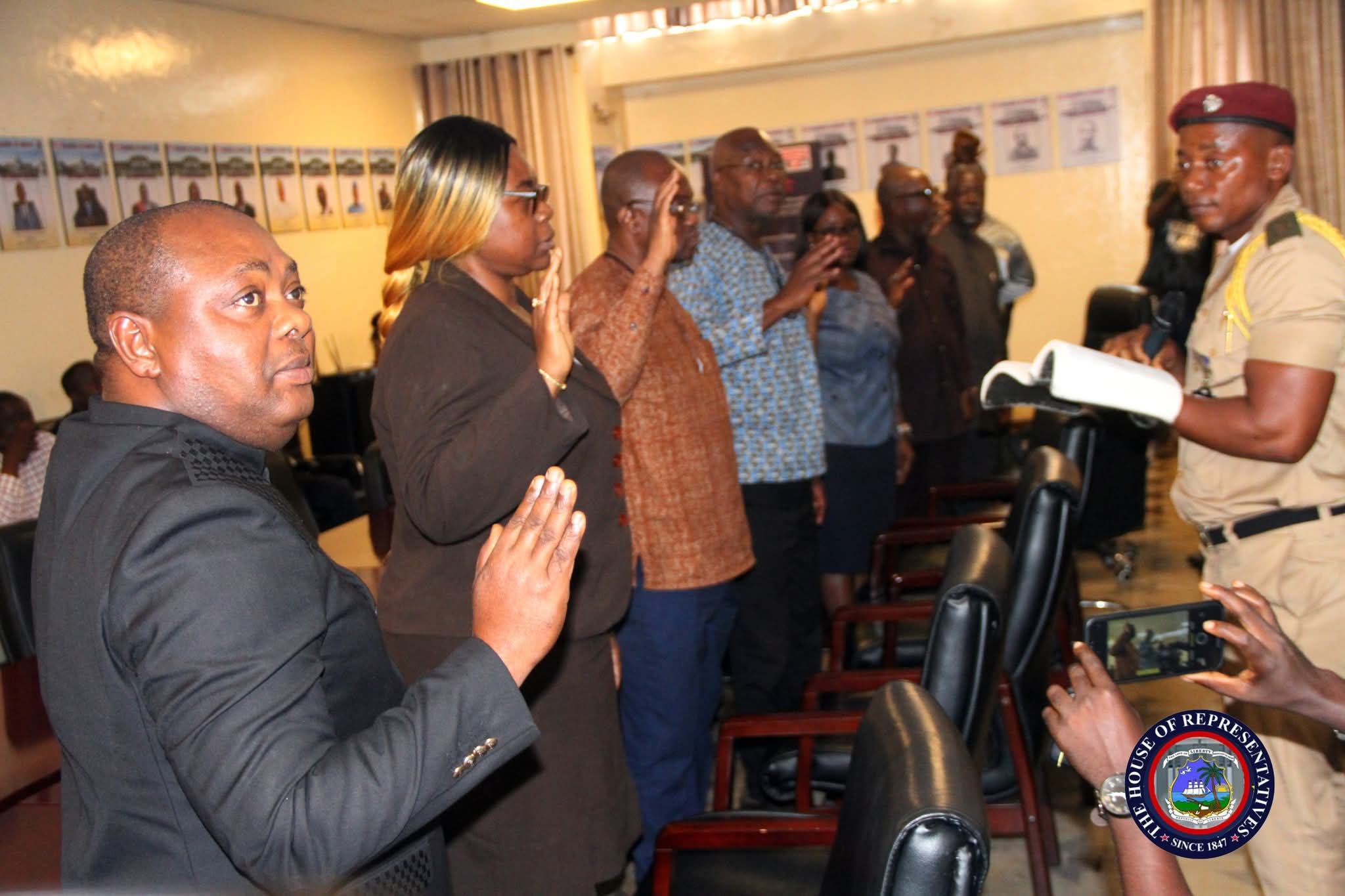
MONROVIA – The House of Representatives’ Joint Committee on Good Governance and Judiciary held a high-stakes preliminary public hearing on Friday, bringing together the nation’s leading integrity institutions to deliberate on four critical pieces of anti-corruption legislation.
The session featured testimony from the Law Reform Commission, the Governance Commission, the Liberia Anti-Corruption Commission (LACC), and the Office of the Ombudsman. The proposed bills represent a significant push to overhaul and strengthen Liberia’s legal framework against financial crimes and ethical breaches.
The Legislative Package
The committee is currently reviewing four distinct acts designed to close loopholes in the current legal system:
- Amendment to the Penal Law (Title 26): Explicitly defining and criminalizing illicit enrichment and corruption.
- Amendment to the Criminal Procedure Law (Title 2): Redefining the “Burden of Proof” and “Statute of Limitations” specifically for corruption-related offenses to ensure easier prosecution.
- Amendment to the LACC Act (2022): Modifying the founding act of the country’s primary anti-corruption watchdog.
- Amendment to the National Code of Conduct: Updating definitions and enforcement protocols for all public officials and government employees.
Tensions Rise Over LACC Autonomy
While the atmosphere was described as engaging, the hearing grew tense when discussions turned toward the Liberia Anti-Corruption Commission (LACC). While three of the four bills received broad support, specific provisions regarding the tenure and removal of LACC Commissioners sparked significant debate.
The proposed amendment seeks to strictly limit the President’s power to dismiss tenured Commissioners. Under the new language:
- A Commissioner may only be removed for just cause, such as proven misconduct, gross breach of duty, or conviction of a crime.
- The President would be required to submit a written recommendation to the National Legislature outlining the grounds for removal.
- Due process must be afforded to the official, including a formal notice and a hearing.
- Removal would only become effective upon a resolution by the Legislature, passed by a simple majority.
The draft legislation explicitly states that any removal attempted without legislative confirmation would be considered null and void, a move seen by many as a safeguard for the Commission’s independence.
Next Steps
The Joint Committee will continue to process the testimonies provided by the executive branch and integrity heads as they prepare the bills for further legislative action.