
By Rocheford T. Gardiner

The significant population increase in Maryland County over the past decade is having profound and diverse effects on all aspects of society. With the population having nearly doubled in the last ten years, essential services—from healthcare and education to social life and security—are being pushed to their limits.
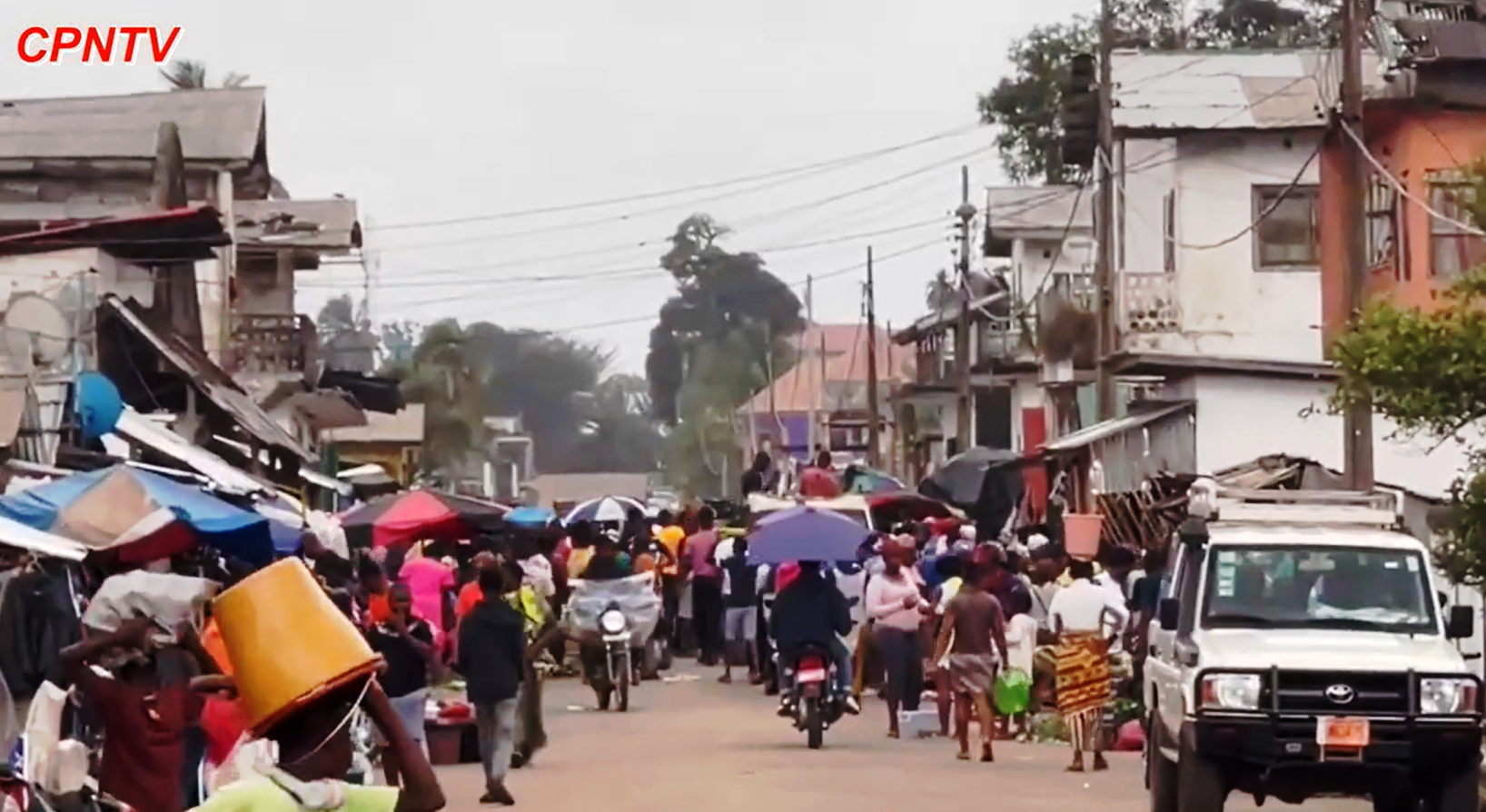
A critical and highly visible concern is the alarming rise in road accidents. This spike is directly linked to the burgeoning number of vehicles, particularly motorcycles, operating in the county’s two major urban centers: Harper and Pleebo.
The daily toll of these accidents is climbing. Just last week, on Thursday, November 13, a seven-year-old boy suffered a broken leg near his ankle while walking home from school—a stark example of the risks facing pedestrians.
Understaffed Police Overwhelmed
Compounding the crisis is the severely undermanned and overstretched Liberia National Police (LNP). The LNP is currently ill-equipped to address the escalating situation. In the county capital, police presence is minimal, often totaling far fewer than twenty officers. The situation is even more dire in remote areas; for instance, Baroboe, the county’s largest district by landmass, can reportedly count fewer than two police officers.
Consequently, there is an absolute lack of traffic direction and regulation. Young and unruly motorcyclists, many of whom are grade school dropouts, routinely operate at breakneck speeds, turning public roads into high-risk zones.
Children at Risk
Unfortunately, the burden of navigating this dangerous environment falls on the county’s most vulnerable residents. Many small children are forced to travel to and from school unsupervised. Their parents, often struggling with poverty, have no alternative but to seek daily work or engage in “hustle” to make ends meet, leaving their children to manage the hazardous streets alone.
The risk is heightened by a noticeable lack of public awareness campaigns; there is little to no formal education provided on basic traffic rules, crosswalk usage, and road safety for both motorists and pedestrians.