
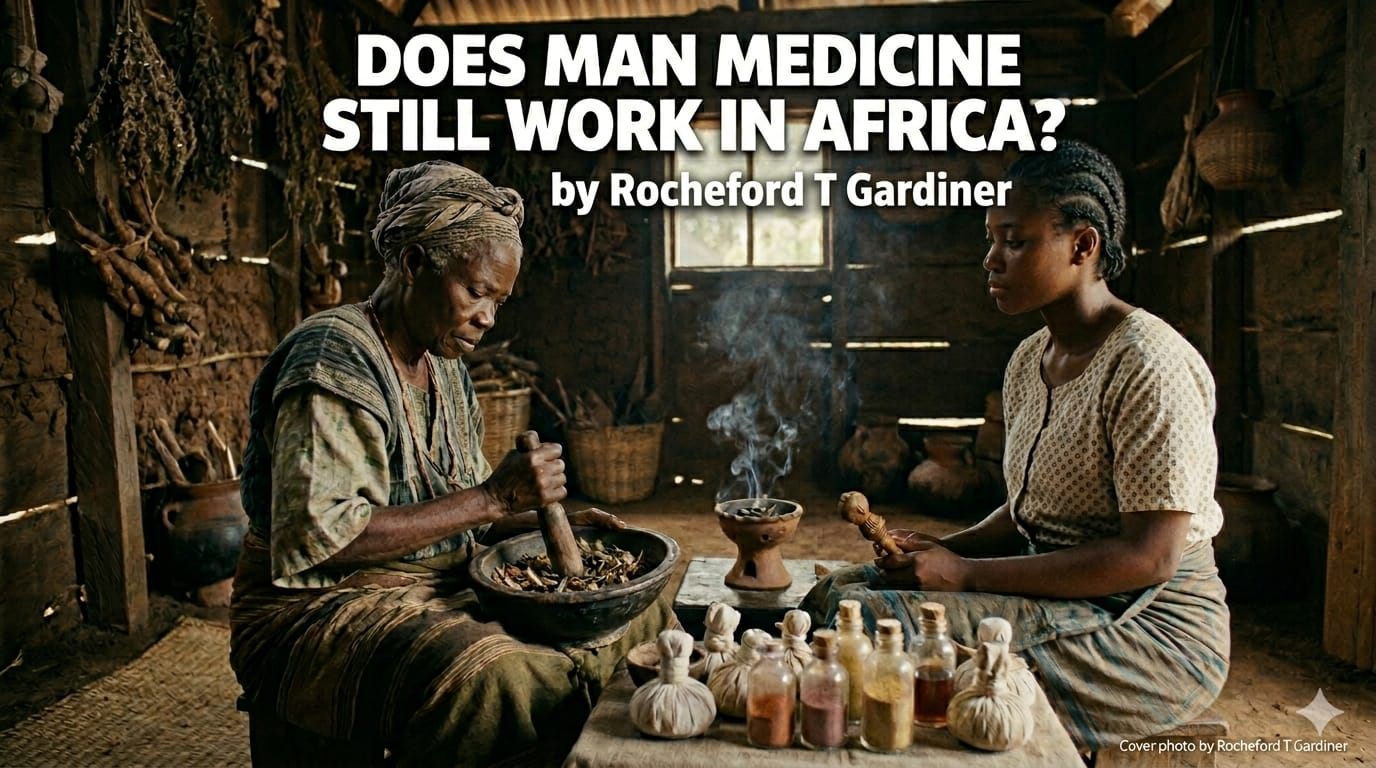
By Rocheford T. Gardiner
In various parts of Africa—most notably within West and East African communities—there exists a deeply entrenched, widely discussed belief in the use of a breastfeeding mother’s milk as a potent ingredient in love potions, charms, or binding rituals. Targeting the father of a child, these practices fall under the umbrella of traditional folklore, juju, or esoteric love charms, known regionally by various names such as korope or biri, babyma yohntonhn.
While often discussed in hushed tones or debated on modern talk radio, the phenomenon follows distinct cultural patterns and exhibits a complex psychological logic.
The Cultural Logic behind the Ritual
In these traditional belief systems, breast milk is viewed as far more than mere biological nutrition; it is treated as a sacred fluid carrying immense spiritual weight. Representing life, the ultimate maternal bond, and total dependence, its use in traditional charms typically stems from two core motives:
- Financial and Emotional Security: A mother—sometimes under the advice of older relatives—may fear abandonment, infidelity, a denial of paternity, or the neglect of the father’s financial responsibilities toward the newborn.
- The “Child” Metaphor: Because breast milk naturally binds a newborn completely to its mother, making the infant dependent and submissive, folklore dictates that introducing the same milk to the father will spiritually reduce him to a similar state of compliance. The esoteric goal is to make the man cooperative, deeply attached to the household, and unable to refuse the mother’s requests.
How the Rituals Are Executed

While practices vary widely among herbalists, traditional priests, and cultural groups, these rituals generally rely on introducing the substance into the man’s environment or system without his knowledge. Investigative accounts and cultural surveys highlight three primary methods:
1. Direct Culinary Inclusion
The most common and accessible method requires no elaborate ceremony with a traditional practitioner; it is performed directly within the domestic sphere.
- The Act: A mother expresses a small amount of breast milk directly into a meal or drink prepared exclusively for the father.
- The Vehicles: It is typically mixed into heavy, highly seasoned, or opaque dishes where the color and taste of the milk are easily masked—such as palm oil-based stews, pepper soup, or morning coffee and tea.
- The Intention: By consuming the meal, the man is symbolically believed to ingest the woman’s authority, tying his spiritual disposition to the mother of his child.
2. The Traditional Practitioner’s Preparation
When a more permanent or potent “binding” is sought, a woman may consult a traditional herbalist or native doctor.
- The Concoction: The practitioner requests a small vial of fresh breast milk, which is then combined with specific roots, herbs, or charred elements chosen for their associations with attraction and submission.
- The Delivery: The resulting mixture is dried into a fine powder or concentrated into a liquid. The woman is instructed to secretly add a pinch or a few drops to the partner’s food over a designated period, often three consecutive days.
3. Olfactory and Tactile Talismans
In deeper esoteric practices, the ritual shifts away from ingestion toward prolonged physical contact, frequently utilizing personal items like a handkerchief.
- The Power of Close Contact: In traditional charm work, items that remain in direct contact with a person’s body are believed to absorb their aura or spiritual essence.
- The Scent and the “Drying” Ritual: A mother will secretly take one of the partner’s clean handkerchiefs, apply a few drops of breast milk while reciting specific intentions, and allow it to air-dry completely. Because the fluid dries clear, it remains invisible. Once ironed and returned to his drawer, the talisman is believed to work through scent and proximity—influencing his thoughts and drawing his affections back to the household every time he uses it.
4. Buried Charms
In more severe variations, breast milk is paired with other highly personal elements, such as a lock of the man’s hair, a drop of sweat, or an unwashed garment. These items are bound together, sealed inside a small clay pot or animal horn, and buried beneath a heavy stone or near the threshold of the home. The symbolism holds that as long as the charm remains buried and weighted down, the man’s mind and desires remain locked onto that specific family.
Modern Discourse: Taboo, Stigma, and Backlash
While these practices remain deeply rooted in regional folklore, they are highly controversial and widely condemned across contemporary African societies.
A Shifting Cultural Landscape
On modern African radio call-in shows, social media forums, and community gatherings, the topic frequently sparks intense debate. Today, the use of bodily fluids in food is heavily stigmatized, viewed by the public not only as a severe breach of marital trust but also as physically unhygienic and spiritually dangerous.
Significantly, even many strict traditionalists warn against the practice. Cultural custodians frequently caution that manipulating a person’s free will through such charms alters their natural destiny, risks causing long-term psychological damage to the target, or can “backfire” spiritually on the child. Consequently, while the belief remains a well-known facet of regional anthropological study, its practice is modernly shrouded in deep secrecy and severe social taboo.
